Back to Hamilton: An American Musical (Original Broadway Cast Recording)
Stay Alive (Reprise)
Lin-Manuel Miranda, Anthony Ramos, Phillipa Soo & Original Broadway Cast of "Hamilton"

“Stay Alive (Reprise)” covers the time between the moment Philip is shot in his duel and the moment he dies. It gives a transition between “Blow Us All Away” which examines Philip’s desire to carve out his own identity as a young man and “It’s Quiet Uptown” which examines the indescribable pain of loss and loneliness.
The title “Stay Alive (Reprise)” recalls the song “Stay Alive,” in which Eliza responds to Alexander’s constant desire to die in battle with a simple phrase that reminds what value his life has. It builds on the recurring theme that all Eliza desires is time with her family.
“Stay Alive (Reprise)” movingly revisits these themes as Philip comes closer and closer to death. It shows the weight that Hamiltons feel, not just from the grief of loss, but the feeling of failure and regret.
In real life, the events of this entire song and the one before it are out of order. Philip died after the election of 1800.
Stay alive… ⮐
Stay alive…
In the previous song, “Blow Us All Away,” Philip and George Eaker display hyper-masculine braggadocio and callous regard for life. Here, the women cut in, both to protest the senseless violence and to pray against its likely outcome.
This is not the first time the women of this show have had to plea for the safe return of their men. Not only did the women call for the soldiers of the Revolutionary War to “Stay Alive”, but Eliza later asked her brash husband in particular to forsake the callings of honor and legacy and simply “stay alive”. Now the same impulsivity and concern for legacy threaten her son’s life.
Mr. Hamilton, come in. They brought him in a half an hour ago. He lost a lot of blood on the way over
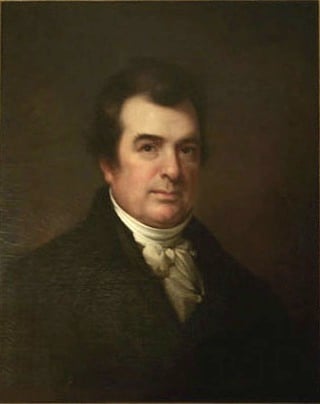
Historically the doctor tending to Philip was David Hosack, a prominent New York physician. In yet another eerie parallel with the fatal Burr-Hamilton duel, Hosack also was the doctor who attended Alexander’s death.
Stay alive...
In the previous song, “Blow Us All Away,” Philip and George Eaker display hyper-masculine braggadocio and callous regard for life. Here, the women cut in, both to protest the senseless violence and to pray against its likely outcome.
This is not the first time the women of this show have had to plea for the safe return of their men. Not only did the women call for the soldiers of the Revolutionary War to “Stay Alive”, but Eliza later asked her brash husband in particular to forsake the callings of honor and legacy and simply “stay alive”. Now the same impulsivity and concern for legacy threaten her son’s life.
Yes. But you have to understand
The bullet entered just above his hip and ⮐
Lodged in his right arm
From John Sedgwick’s book on the Hamilton duels (emphasis ours):
With Philip standing sideways to minimize exposure, the bullet slammed sideways through his entire abdomen, wreaking havoc on his internal organs, and finally broke through the other side to lodge in his left arm. In shock and overwhelmed with pain, Philip slumped to the ground, firing his ball uselessly as he fell.
I’m doing ev’rything I can, but the wound was ⮐
Already infected when he arrived—
Bacterial infections were often fatal until medical advancements in the 20th century made death less of a statistical probability.
Indeed, most deaths from dueling resulted from infections rather than the wound itself. Duelists were aware of this, and they often stripped to the waist so that fabric from one’s shirt wouldn’t lodge in the wound and provide a haven for bacteria. (Alas for LMM fans, stripping to the waist is not part of the staging of Hamilton.)
The pacing of the musical requires Philip to die almost immediately, but in fact it took a full day for him to succumb. The wound was inflicted in the morning of Nov. 22 and Philip died at 5:00am the next day.
I did exactly as you said, Pa ⮐
I held my head up high
The melody of “you did ev'rything just right” mirrors the melody of “I made every mistake” in “History Has Its Eyes On You,” a connection that Lin confirmed on Twitter. The characters must again confront the fact that they have “no control” over who lives and who dies: Washington made every mistake but still lived, whereas Philip did everything right but still died. Meanwhile, Hamilton’s guilt and grief over having allowed Philip to duel (and die) over him must resemble Washington’s guilt and grief over having allowed men to die under his command.
While reprising his role as Hamilton in Puerto Rico in 2018, Lin tweeted:
I know, I know. Shh ⮐
I know, I know (High) ⮐
Shh. I know
The lines echo a scene from RENT, when Mimi is near death:
[MIMI]
I should tell you
Benny wasn’t any—
[ROGER]
Shhh—I know
I should tell you why I left
It wasn’t cause I didn't—
[MIMI]
I know
Meanwhile, in a heartbreaking move, the rhythm of the repeated “I know, I know” sounds like a heartbeat. Hamilton, and later Eliza, are musically willing Philip’s heart to keep beating, for him to “Stay Alive.”
This also symbolically shows how Hamilton and Eliza have been briefly reunited by grief. She sings the same notes as her husband, showing that despite their considerable differences, Philip is all that matters right now. Their rhythms are in sync for the first time since Hamilton’s affair was revealed.
you did ⮐
Ev’rything just right
The melody of “you did ev'rything just right” mirrors the melody of “I made every mistake” in “History Has Its Eyes On You,” a connection that Lin confirmed on Twitter. The characters must again confront the fact that they have “no control” over who lives and who dies: Washington made every mistake but still lived, whereas Philip did everything right but still died. Meanwhile, Hamilton’s guilt and grief over having allowed Philip to duel (and die) over him must resemble Washington’s guilt and grief over having allowed men to die under his command.
While reprising his role as Hamilton in Puerto Rico in 2018, Lin tweeted:
Shh
The lines echo a scene from RENT, when Mimi is near death:
[MIMI]
I should tell you
Benny wasn’t any—
[ROGER]
Shhh—I know
I should tell you why I left
It wasn’t cause I didn't—
[MIMI]
I know
Meanwhile, in a heartbreaking move, the rhythm of the repeated “I know, I know” sounds like a heartbeat. Hamilton, and later Eliza, are musically willing Philip’s heart to keep beating, for him to “Stay Alive.”
This also symbolically shows how Hamilton and Eliza have been briefly reunited by grief. She sings the same notes as her husband, showing that despite their considerable differences, Philip is all that matters right now. Their rhythms are in sync for the first time since Hamilton’s affair was revealed.
(Even before we got to ten—)
Philip is not only describing the literal events of the duel, but also recalling his childhood aspirations, now cut short.
His father had high hopes for him right from birth, knowing he would “blow us all away.” By the time the audience first hears from him in “Take a Break,” Philip is nine years old and already surpassing all expectations—even before he reaches the age of ten. He is a precocious, innovative, and hardworking child, accomplished in poetry, French, and piano, and aiming high. Even then, he knew he wanted to be not only “like [his] father,” but even “bolder.”
However, just as his French counting lessons with Eliza always seem to cut off before reaching the number ten, Philip’s great aspirations and enormous potential are cut short, fittingly, with a duel that ends before the count of ten.
I know, I know
The lines echo a scene from RENT, when Mimi is near death:
[MIMI]
I should tell you
Benny wasn’t any—
[ROGER]
Shhh—I know
I should tell you why I left
It wasn’t cause I didn't—
[MIMI]
I know
Meanwhile, in a heartbreaking move, the rhythm of the repeated “I know, I know” sounds like a heartbeat. Hamilton, and later Eliza, are musically willing Philip’s heart to keep beating, for him to “Stay Alive.”
This also symbolically shows how Hamilton and Eliza have been briefly reunited by grief. She sings the same notes as her husband, showing that despite their considerable differences, Philip is all that matters right now. Their rhythms are in sync for the first time since Hamilton’s affair was revealed.
(I was aiming for the sky)
Philip is not only describing the literal events of the duel, but also recalling his childhood aspirations, now cut short.
His father had high hopes for him right from birth, knowing he would “blow us all away.” By the time the audience first hears from him in “Take a Break,” Philip is nine years old and already surpassing all expectations—even before he reaches the age of ten. He is a precocious, innovative, and hardworking child, accomplished in poetry, French, and piano, and aiming high. Even then, he knew he wanted to be not only “like [his] father,” but even “bolder.”
However, just as his French counting lessons with Eliza always seem to cut off before reaching the number ten, Philip’s great aspirations and enormous potential are cut short, fittingly, with a duel that ends before the count of ten.
I know, I know
The lines echo a scene from RENT, when Mimi is near death:
[MIMI]
I should tell you
Benny wasn’t any—
[ROGER]
Shhh—I know
I should tell you why I left
It wasn’t cause I didn't—
[MIMI]
I know
Meanwhile, in a heartbreaking move, the rhythm of the repeated “I know, I know” sounds like a heartbeat. Hamilton, and later Eliza, are musically willing Philip’s heart to keep beating, for him to “Stay Alive.”
This also symbolically shows how Hamilton and Eliza have been briefly reunited by grief. She sings the same notes as her husband, showing that despite their considerable differences, Philip is all that matters right now. Their rhythms are in sync for the first time since Hamilton’s affair was revealed.
(I was aiming for the sky)
Philip is not only describing the literal events of the duel, but also recalling his childhood aspirations, now cut short.
His father had high hopes for him right from birth, knowing he would “blow us all away.” By the time the audience first hears from him in “Take a Break,” Philip is nine years old and already surpassing all expectations—even before he reaches the age of ten. He is a precocious, innovative, and hardworking child, accomplished in poetry, French, and piano, and aiming high. Even then, he knew he wanted to be not only “like [his] father,” but even “bolder.”
However, just as his French counting lessons with Eliza always seem to cut off before reaching the number ten, Philip’s great aspirations and enormous potential are cut short, fittingly, with a duel that ends before the count of ten.
I know
The lines echo a scene from RENT, when Mimi is near death:
[MIMI]
I should tell you
Benny wasn’t any—
[ROGER]
Shhh—I know
I should tell you why I left
It wasn’t cause I didn't—
[MIMI]
I know
Meanwhile, in a heartbreaking move, the rhythm of the repeated “I know, I know” sounds like a heartbeat. Hamilton, and later Eliza, are musically willing Philip’s heart to keep beating, for him to “Stay Alive.”
This also symbolically shows how Hamilton and Eliza have been briefly reunited by grief. She sings the same notes as her husband, showing that despite their considerable differences, Philip is all that matters right now. Their rhythms are in sync for the first time since Hamilton’s affair was revealed.
Is he breathing? Is he going to survive this? (
Who did this, Alexander, did you know?
As we see in “Blow Us All Away,”, Alexander did know and even gave Philip the advice to “fire [his] weapon in the air” that led to his death so that Eliza wouldn’t have to deal with the “heartbreak” of her son killing another man. The real sin here is that Alexander thought to “protect” Eliza by not involving her in their son’s affairs. Ultimately, that only compounded her shock and heartbreak at its disastrous outcome. Eliza has an awful lot of reasons to be angry and disappointed with Hamilton.
Historically, while Alexander knew that Philip was involved in an affair of honor and gave him advice, Philip never told him that negotiations had ended (most disputes die and no one shoots). From Joanne Freeman’s Affairs of Honor:
Learning to his horror that negotiations had ended, he rushed to the home of their family doctor, David Hosack, knowing that Philip would choose Hosack as the attending physician. Philip had indeed requested the doctor’s services, and the two had departed together early that morning; hearing the news, Hamilton fainted dead away at the Hosack’s door. Awaking to discover that Philip had been fatally wounded, he rushed to his son’s side and remained with him until Philip died the next day, in great agony.
Mom, I’m so sorry for forgetting what you taught me
Within the context of the song, this is the beginning of Philip’s recollection of his French and piano lessons with his mother in “Take A Break.” However, as that scene was an illustration of Eliza’s motherly care for Philip’s education, it may also refer him forgetting about Eliza’s values, which she related to Alexander in “That Would Be Enough” after revealing her pregnancy with Philip. If she properly imparted her philosophy to her son, he would know how much she wanted him to appreciate “how lucky they are to be alive” and to “stay alive, that would be enough.” No matter what they went through as a family, “as long as [he came] home at the end of the day,” Eliza would have been satisfied.
The Hamiltons' loss of Philip represents the death of Eliza’s hopes as much as Alexander’s from “Dear Theodosia.”

My son—
Eliza says this much like Alexander did in “Dear Theodosia” when Philip was born. Philip’s life is bookended with his parents' pride and love.

[PHILIP] ⮐
We played piano ⮐
⮐
[ELIZA] ⮐
I taught you piano
There is a potiential play on words here, as “piano” is also the musical term for playing softly. Eliza taught Philip to play “piano”, i.e. to lead a quiet life, but Philip didn’t listen.
You would put your hands on mine
You changed the melody every time ⮐
⮐
[PHILIP] ⮐
Ha. I would always change the line
Like his father, Philip changes the game.
In the musical, the way Phillipa Soo sings this line makes it seem as the memory of Philip changing the lines is a fond one, showing that she values his originality. It’s a nice callback of sorts to “That Would Be Enough,” where she says she hopes that he grows up to be like his father.
Shh. I know, I know
The lines echo a scene from RENT, when Mimi is near death:
[MIMI]
I should tell you
Benny wasn’t any—
[ROGER]
Shhh—I know
I should tell you why I left
It wasn’t cause I didn't—
[MIMI]
I know
Meanwhile, in a heartbreaking move, the rhythm of the repeated “I know, I know” sounds like a heartbeat. Hamilton, and later Eliza, are musically willing Philip’s heart to keep beating, for him to “Stay Alive.”
This also symbolically shows how Hamilton and Eliza have been briefly reunited by grief. She sings the same notes as her husband, showing that despite their considerable differences, Philip is all that matters right now. Their rhythms are in sync for the first time since Hamilton’s affair was revealed.
I would always change the line
I know, I know
The lines echo a scene from RENT, when Mimi is near death:
[MIMI]
I should tell you
Benny wasn’t any—
[ROGER]
Shhh—I know
I should tell you why I left
It wasn’t cause I didn't—
[MIMI]
I know
Meanwhile, in a heartbreaking move, the rhythm of the repeated “I know, I know” sounds like a heartbeat. Hamilton, and later Eliza, are musically willing Philip’s heart to keep beating, for him to “Stay Alive.”
This also symbolically shows how Hamilton and Eliza have been briefly reunited by grief. She sings the same notes as her husband, showing that despite their considerable differences, Philip is all that matters right now. Their rhythms are in sync for the first time since Hamilton’s affair was revealed.
Cinq six sept huit neuf (
Good
During “Take A Break,” Eliza praised Philip in this way for correctly repeating the count, but becomes more firm when he riffed and improvised variations.
He changes the melody again here, but she doesn’t mind it this time.
Eliza’s tone also evokes the praise of a doctor, asking basic questions to check for brain damage and encourage their patient to remain conscious.
Un deux trois quatre ⮐
Cinq six sept
As Eliza sings the word “sept,” Philip dies. “Sept huit neuf” is the line he always changed as a child, and here he again isn’t able to finish the line perfectly, but for a different reason.
In the previous number, “Blow Us All Away,” he is shot when the ensemble reaches the number “seven” in the count to ten. Also, Philip stops his own count at three. There are “ten paces” to make up the ten count in a duel. 10-7=3.
Dying in the middle of a duet is so rude, yet musical composers just love to stab our hearts out with this trope.
As Phillip finishes this last line of his short life, the beat that had been playing throughout the counting sequence between he and Eliza that mimics a human heartbeat abruptly stops, subconsciously and dramatically cuing the audience to his demise.
(Un deux trois…)
As Eliza sings the word “sept,” Philip dies. “Sept huit neuf” is the line he always changed as a child, and here he again isn’t able to finish the line perfectly, but for a different reason.
In the previous number, “Blow Us All Away,” he is shot when the ensemble reaches the number “seven” in the count to ten. Also, Philip stops his own count at three. There are “ten paces” to make up the ten count in a duel. 10-7=3.
Dying in the middle of a duet is so rude, yet musical composers just love to stab our hearts out with this trope.
As Phillip finishes this last line of his short life, the beat that had been playing throughout the counting sequence between he and Eliza that mimics a human heartbeat abruptly stops, subconsciously and dramatically cuing the audience to his demise.